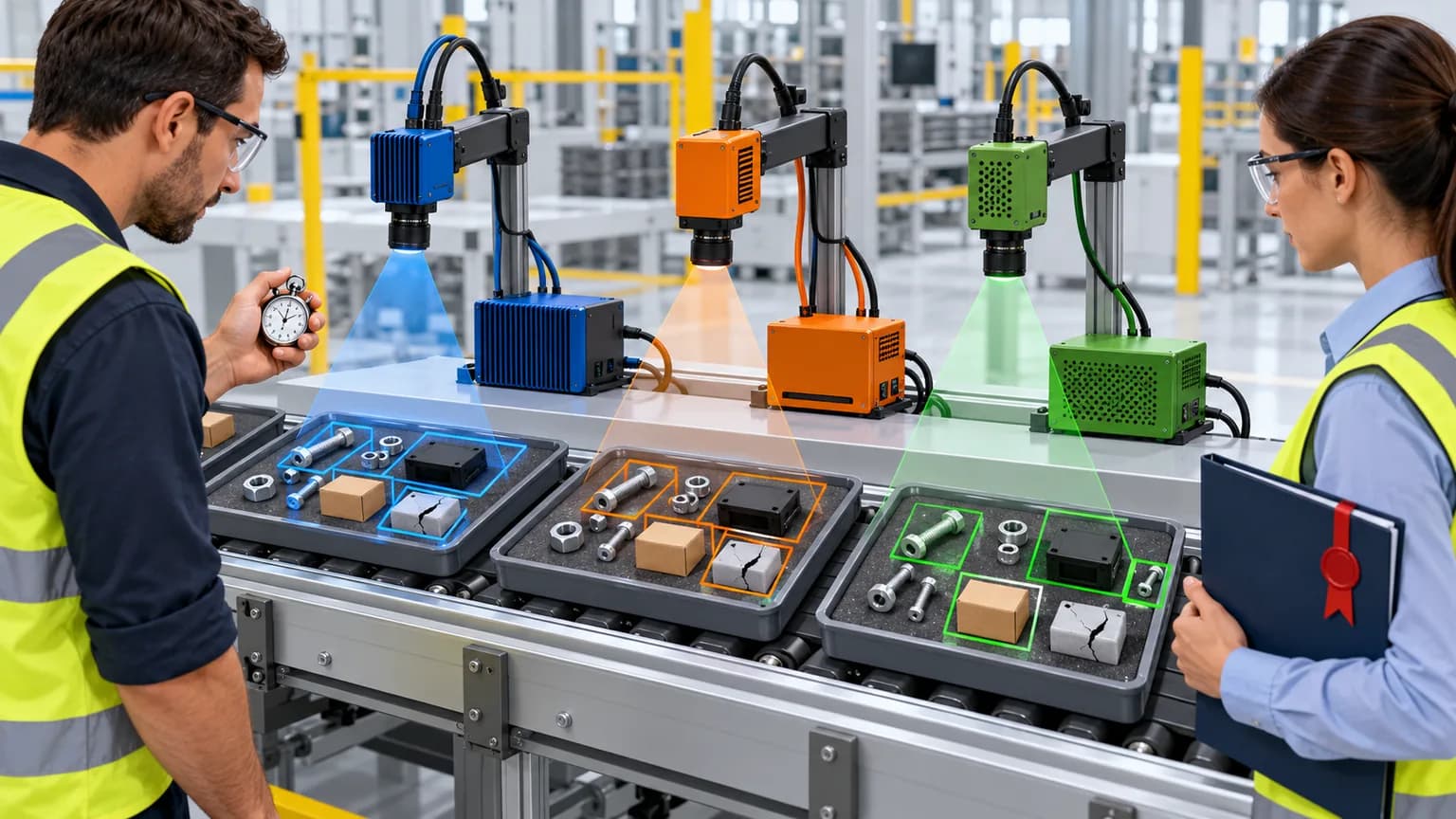
In October 2026, it became known that Russia’s Federal Antimonopoly Service (FAS) had, for the first time in Russia, used artificial intelligence to detect signs of cartel collusion in bidding. The GIS "Antikartel" system analyzes procurement materials, looks for known collusion patterns and new schemes, and specialists then review the findings. According to the office of Deputy Prime Minister Dmitry Grigorenko, the system has already led to 12 antimonopoly cases being opened, with another 31 investigations in progress. Bidders should check their own "digital footprints," and contracting authorities should apply the same approach to their procurements.
Prepared by AIrassvet October 17, 2026 based on CNews’ report of October 16, 2026, citing the office of the Deputy Prime Minister, and the text of Article 11 of Federal Law No. 135-FZ "On Protection of Competition." It is intended for company leaders participating in public procurement, tender teams, and customers’ procurement departments. This article is not legal advice: for a specific situation, consult an antitrust lawyer. We did not have access to the GIS "Antikartel" system or its algorithms; the list of indicators below is compiled from published descriptions, and the self-check and procurement analysis process is the editorial team’s methodology. AIrassvet is not affiliated with FAS; the section at the end of the article describes the publisher’s services.
Contents
- At a Glance
- What Is the GIS "Antikartel"?
- What Is Known About the First Results
- What Counts as a Cartel in Bidding
- What Signs of Collusion an Algorithm Can Detect
- Why an Indicator Is Not Yet Proof
- What Bidders Should Do: Self-Check
- How Customers Can Analyze Their Procurements with AI
- Frequently Asked Questions
- Primary Sources and Verification Method
At a Glance
- AI is working in the GIS "Antikartel." The system analyzes bidding materials for signs of collusion; according to the agency, AI has been used for the first time in Russia for this purpose.
- First results: 12 antimonopoly cases opened, 31 investigations in progress, and 117 materials under additional review in territorial offices.
- Humans make the final decision. Materials collected by the system are reviewed by specialists: "AI does not replace specialists; it enhances their capabilities."
- Self-check is available for bidders. A service on Gosuslugi evaluates bidding processes, provides a quantitative cartel-risk score, and offers recommendations.
- The same approach is available to contracting authorities. Analyzing bids, offers, and documents from your procurements helps identify suspicious patterns in advance.
What Is the GIS "Antikartel"?
GIS "Antikartel" is a FAS Russia state information system that analyzes bidding materials for signs of cartel collusion. According to CNews, the agency began implementing AI in 2026 as part of its digital transformation program. The system not only looks for signs of known collusion patterns, but also identifies new schemes.
The development history was not straightforward. The first competition to develop the system was published on April 27, 2024, but the contract with the contractor was terminated due to improper performance of the work. The follow-up procurement for 240.8 million rubles was suspended in August 2024 after a participant filed a complaint. In July 2025, applications began being accepted for the auction for phase two of the system, worth 241.4 million rubles, with work scheduled to be completed by December 20, 2025.
The key addition in phase two, according to the procurement description, is machine-learning algorithms for automated analysis of 100% of open tenders in the Unified Information System and on the "GIS Torgi" platform, with collusion detection based on an expanded set of criteria.
What Is Known About the First Results
| Metric | Value as of 10/16/2026 |
|---|---|
| Antimonopoly cases opened using AI | 12 |
| Investigations in progress | 31 |
| Materials under additional review in territorial offices | 117 |
| Examples of tenders with signs of inflated prices | Maintenance of children’s educational facilities; major bridge repairs |
Source: CNews, 10/16/2026, according to the office of Deputy Prime Minister Dmitry Grigorenko. The participants and details of the cases are not disclosed.
A notable difference from previous practice is highlighted by the AI digest "Pachka": in the past, connections between participants were more often found manually, for example through complaints, but now reviews can move continuously across a large volume of procurements. This changes the scale: an indicator that previously would have been noticed only during a targeted review can now surface automatically.
What Counts as a Cartel in Bidding
A cartel is under part 1 of Article 11 of Federal Law No. 135-FZ "On Protection of Competition," a prohibited agreement between competing businesses if it leads or may lead, in particular, to raising, lowering, or maintaining prices in bidding (item 2). The same list also includes division of a market by territory, volume, assortment, or customer base, and refusal to enter into contracts with certain sellers or buyers.
For procurement participants, this means one simple thing: competitors are not allowed to agree on who will win, who will avoid lowering the price, or who will not submit a bid at all. The agreement does not have to be documented—the antimonopoly authority evaluates the full set of circumstances.
What Signs of Collusion an Algorithm Can Detect
FAS does not disclose the algorithms behind GIS "Antikartel." Below are the indicators named in the description of phase two of the system and in public summaries of how it works. They show what the automated analysis looks for.
| Indicator | How It Appears in the Data | Source Mentioned |
|---|---|---|
| Simultaneous refusal to lower the price | Several participants place no bids or stop at the same time | Description of phase two of the GIS (CNews) |
| Unusual bidding sequences | Bids repeat the same pattern from tender to tender | Description of phase two of the GIS (CNews) |
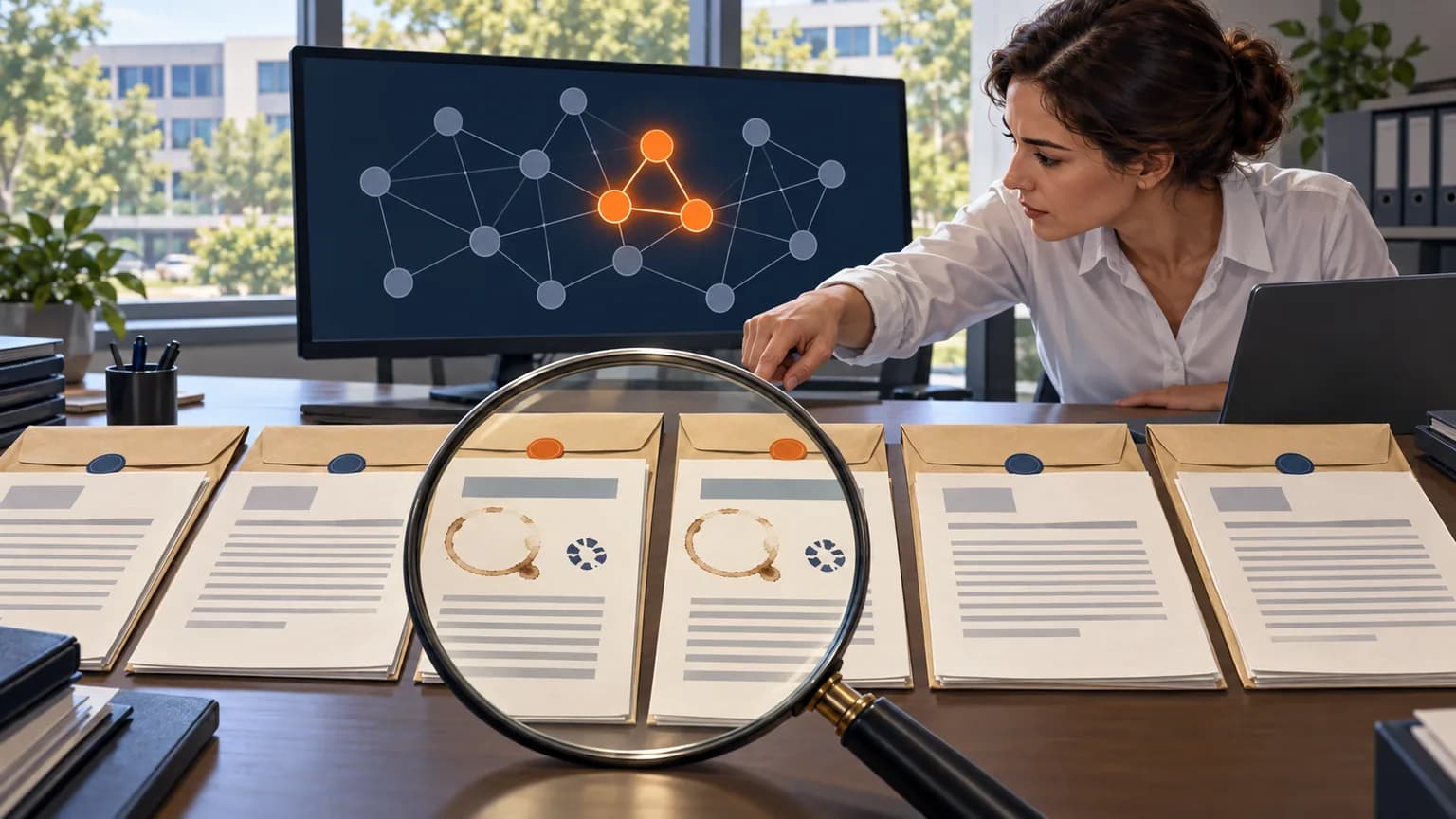
| Matching submission addresses | Applications from different companies were submitted from the same address | Pachka digest, 10/16/2026 |
| Identical errors in documents | The same typo or formatting appears in the applications of "competitors" | Pachka digest, 10/16/2026 |
| Stable pairs of participants | The same companies take turns yielding contracts to one another | Pachka Digest, 10/16/2026 |
| Signs of Price Inflation | The contract price is close to the starting price despite formal competition | Case Examples (CNews) |
The signs listed in the Pachka digest are the digest editors’ paraphrase, not the official FAS list; treat them as an illustration of the analytical logic. The “How it looks in the data” column is the editors’ explanation.
Why AI works here. Each of these indicators can be found individually with simple rules. The value of machine learning is in combining signals across a large dataset: the model can notice that the same companies have been appearing in the same tenders for years, rarely lower prices against one another, and take turns winning. This is a specific case of anomaly detection and relationship analysis between entities—the same kind of task used in fraud analysis.
Why a signal is not proof
Matches can be innocent. Companies in the same group may legally use the same accounting office or the same IP address. Participants may not lower the price because the starting price is already on the edge of profitability. Identical wording may appear because the platform uses a common application template.
That is exactly why, according to the agency, system outputs are reviewed by people, and machine results are grounds for review, not a final decision. For businesses, this leads to two takeaways:
- Explainability matters more than the number of signals. If your company comes under scrutiny, you need to quickly document why the match is legitimate.
- It is worth paying attention to your own digital footprint in advance. Automated analysis can see things you may never have considered a signal: a shared IP address, a document template, the same employee preparing bids for several companies.
What a bidder should do: self-check
According to CNews, for bona fide participants, the GIS includes a self-check service on Gosuslugi: it evaluates the tender, provides a quantitative estimate of cartel participation risk, and recommends next steps. Start with that. It is also worth running an internal checklist—the sequence below was prepared by the editors.
- Submission infrastructure. Which devices, IP addresses, and digital signatures are used to submit bids? Do they overlap with other companies participating in the same tenders?
- People. Is the same employee, accountant, or outside consultant preparing bids for multiple participants in the same tender?
- Documents. Are you using bid templates that match competitors’ templates down to errors and file metadata?
- Participation history. Which companies do you regularly face in tenders? How often have you lowered the price against one another, and who won?
- Connections. Are any of the regular “competitors” affiliated companies? If so, does your lawyer understand how this is assessed under antitrust law?
- Correspondence and agreements. Are there any discussions in email or messengers about future tenders with competitors? Even an informal agreement can be classified as a violation.
- Response plan. Who in the company is responsible for FAS requests, and where are the documents explaining the matches stored?
If the checklist reveals matches that are hard to explain, discuss them with a lawyer before the next bid submission.
How a buyer can analyze its own procurements with AI
Collusion hurts the customer first and foremost: a cartel deprives them of the ability to choose the best offers and limits competition—that was explicitly noted in the deputy prime minister’s office statement. Companies that run their own procurements can use a similar approach to their data. The chart below is the editors’ methodology, not a description of the Anti-Cartel GIS.
| Stage | What to do | What data is needed |
|---|---|---|
| 1. Data collection | Export procurement history: participants, bids, offers, prices, winners, dates | Procurement system, e-platform, document archive |
| 2. Participant profiles | Compile company details, addresses, contacts, executives, and links between companies | Bids, public registries |
| 3. Bid analysis | Find tenders with no price reduction, recurring bidding patterns, and alternating winners | Tender history |
| 4. Document analysis | Compare bids for matching text, errors, templates, and file metadata | Bid files |
| 5. Relationship graph | Build a network of participants and identify stable groups | Results from stages 2–4 |
| 6. Human review | A procurement specialist and a lawyer review each signal and decide what to do | System report |
What this analysis delivers in practice:
- prioritization of reviews — the procurement team looks at dozens of suspicious tenders instead of thousands;
- market comparison — it shows where the contract price is systematically higher than comparable procurements;
- a basis for decisions — expand the supplier pool, change the starting price, reconsider participant requirements.
The limits matter too. The analysis provides hypotheses, not conclusions about a violation. The decision to send materials to FAS or reject a supplier is made by people with the involvement of a lawyer. The personal data of participants’ executives and contacts is processed in accordance with personal data law.
For more on using AI to prepare bids and support a tendering department, see the article “AI for Procurement and Tenders”. For how AI agents can independently “agree” on prices without human involvement, see “Hidden Collusion of AI Agents”.
Frequently Asked Questions
What is the Anti-Cartel GIS?
It is the FAS Russia state information system that analyzes tender materials for signs of cartel collusion. Since 2026, it has used AI: the system looks for known collusion patterns and new schemes, and specialists in the agency verify what it finds.
Can AI independently declare a company a cartel participant?
No. According to the agency, materials collected by the system are reviewed by people. The analysis result is grounds for review, and the antimonopoly authority makes the decision in the established procedure.
What signs of collusion in tenders does AI look for?
FAS does not disclose the algorithms. The system description mentions a synchronized refusal to lower the price and unusual bidding sequences; public summaries mention matching submission addresses, identical errors in documents, and stable participant pairs.
How can a public procurement participant check themselves?
Use the Anti-Cartel GIS self-check service on Gosuslugi, which assesses cartel participation risk. Then review the submission infrastructure, the people involved, document templates, participation history, and connections with other participants.
How many cases have already been initiated with AI?
According to Deputy Prime Minister Dmitry Grigorenko’s office as of October 16, 2026, FAS had initiated 12 antimonopoly cases, with 31 more investigations in progress and 117 materials under additional review.
Can a commercial buyer analyze its procurements the same way?
Yes, if it has procurement history and bid documents. Analyzing bids, documents, and participant relationships helps identify suspicious tenders, but conclusions about violations are made by people with the involvement of a lawyer.
Primary Sources and Verification Method
Method: On October 17, 2026, we read a CNews report about the launch of AI in the GIS "Anticartel," noted the figures, examples, and the system’s development history, checked the definition of a cartel against Article 11 of Federal Law No. 135-FZ in the ConsultantPlus reference system, and compared the description of its indicators with the summary in the Patches digest. AIrassvet does not have access to the system or its algorithms; the participant self-checklist and procurement analysis framework are the editorial team’s methodology.
- CNews, 10/16/2026: "In Russia, AI has started searching for cartel collusion in public procurement" — results, examples, a self-check service, and the procurement history behind the GIS development.
- ConsultantPlus: Article 11 of Federal Law No. 135-FZ "On Protection of Competition" — cartel definition.
- AI digest "Patches," 10/16/2026: a summary of the FAS news — examples of the indicators the system looks for.
Limitations: the official list of criteria and the system’s accuracy have not been published; the case figures were provided by the office of the Deputy Prime Minister and have not been independently verified. This article describes the general approach and is not a substitute for legal advice.
How AIrassvet Helps Analyze Procurement with AI
Finding suspicious patterns in procurement is a data and document analysis task, not just a model task. On the AIrassvet website the following areas are described as directly relevant to this task:
- auditing the procurement process and preparing data: exporting the history of bids, applications, and offers into an analysis-ready format;
- predictive analytics on this data: identifying tenders without real competition, recurring bidding patterns, and prices above comparable procurements;
- recognizing and comparing application documents to find matching text and templates;
- an AI agent that prepares a report for the procurement specialist, explaining each signal and linking to the source documents.
The first step is to choose one procurement category, describe the current participant screening process, data sources, restrictions on document access, and the success criterion—for example, the share of signals that the specialist considered justified.
Bottom line: the algorithm looks at everyone; people will still have to explain the results
The GIS "Anticartel" is changing the scale of antitrust oversight: instead of selective complaint-based inspections, it analyzes the entire volume of tenders using AI. The first 12 cases show that the system is already working, while specialists continue to make the decisions.
Procurement participants should complete a self-check in advance and make sure any similarities in their submissions can be explained. Buyers should use the same approach to protect their own procurements: the bid data and documents are already there; they need to be turned into clear signals for the people making decisions.